
So you’re asking “Do I need to bring my model for a fine line tattoo course?” Well, chances are you’re serious about levelling up your cosmetic tattooing game — and I’m here for it. I’m Olha Po, a certified cosmetic tattoo artist and founder of Cosmetic Tattoo Melbourne Studio Face Figurati, and I’ve trained hundreds of students and seen firsthand what makes a course truly worthwhile. Spoiler: It’s not watching someone else tattoo while you take notes.
Let’s break down what model work really looks like in a fine line tattoo course, when (and if) you need to bring your own, and what to expect so you’re not caught off guard on training day.
Practical Experience Matters
Let’s be real — you can watch all the videos in the world, but unless you’re putting ink to skin, you’re not learning how to tattoo. And I don’t mean scribbling on synthetic practice skins for eight hours straight. I mean working on live models, where stretch, tone, skin texture and type actually matter.
Having live model experience during your fine line tattoo course helps you:
- Learn pressure control on actual skin
- Practice stretch and hand positioning in real time
- Understand different skin types (Melbourne humidity alone can be a factor!)
- Navigate skin safety and wound healing
- Gain confidence before taking on paying clients
This isn’t optional if you want to work professionally in the tattoo industry — it’s essential.
So… Do You Need to Bring Your Model?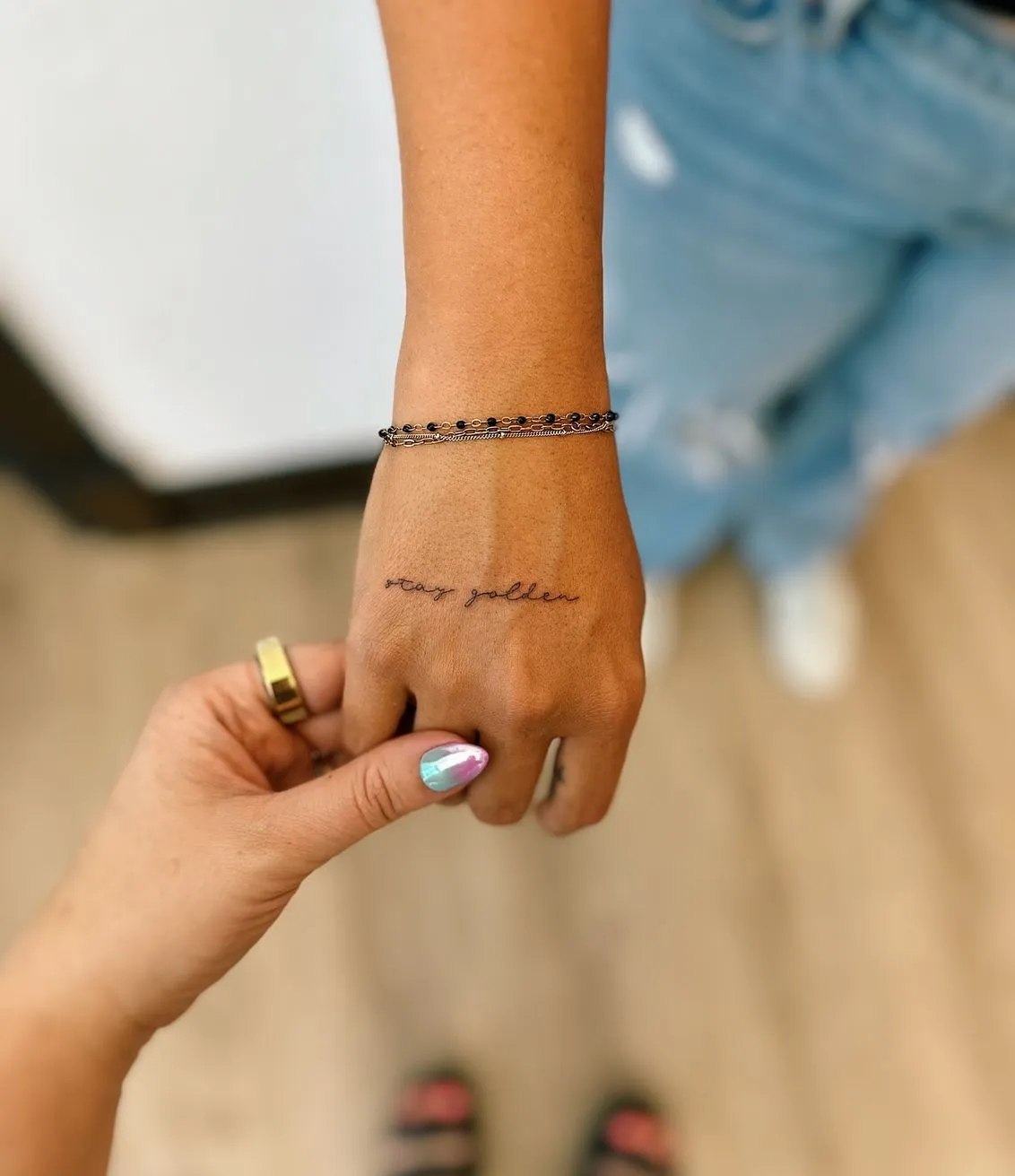
Here’s the cheeky but honest answer: sometimes yes, sometimes no. It depends entirely on the training provider. Some tattoo studios and academies require students to arrange their own models. Others source models for you.
At Cosmetic Tattoo Melbourne Studio Face Figurati, for example, we do both. We always encourage students to bring their own model if they have someone in mind — especially a friend or family member who’ll be patient and supportive. But we also know that not everyone has a perfect model on standby, so we have a client waitlist for model tattoos during training blocks.
| Training Provider | Do You Need to Bring a Model? | Pros | Cons |
|---|---|---|---|
| You Bring Your Own | Yes | Familiar face, easier comfort level | Need to organise availability, prep, and aftercare |
| Academy Provides | No | Lower stress, often pre-screened | Less control over model features or preferences |
| Hybrid Option | Optional | Best of both worlds | Must communicate ahead of time |
In 2025, over 72% of fine line tattoo students in Melbourne said they felt more confident working on models they personally arranged, according to a recent training feedback survey. But that doesn’t mean it’s the only way.
What Makes a Good Training Model?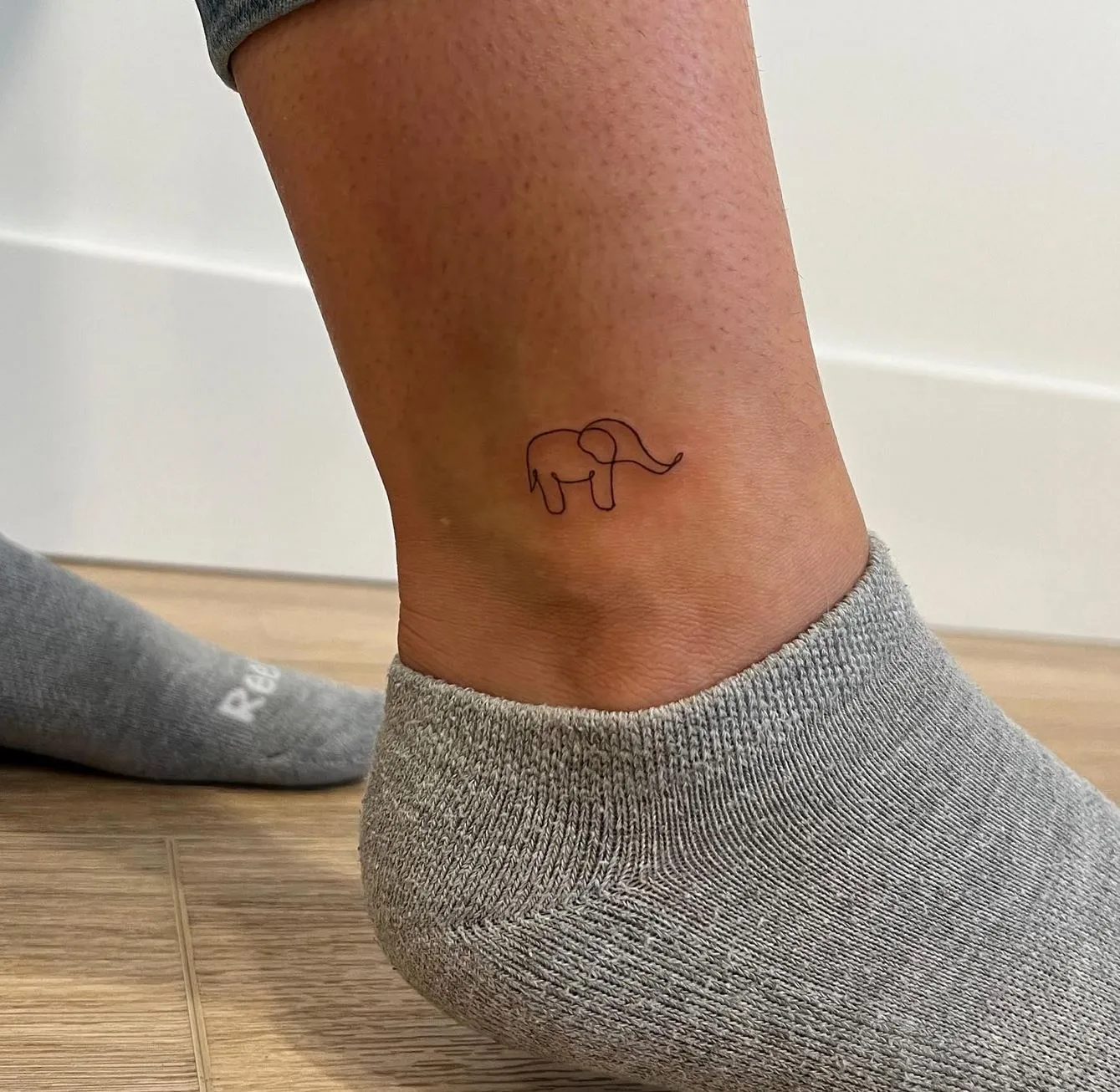
I’ve had students rock up with a model who had three coffees, sensitive skin, and a low pain threshold. Not ideal. A good training model should be:
- Calm, patient, and okay with long sessions
- Comfortable lying still for 1–3 hours
- Not pregnant or breastfeeding
- Not on blood thinners or acne medication
- Fully aware it’s a training tattoo — and healing may vary
Also, some skin types (e.g. mature or highly textured) are trickier for beginners. When in doubt, ask your trainer if your model is suitable before the training day. Skin texture and body contouring can impact your line work techniques and machine setup.
No Model, No Drama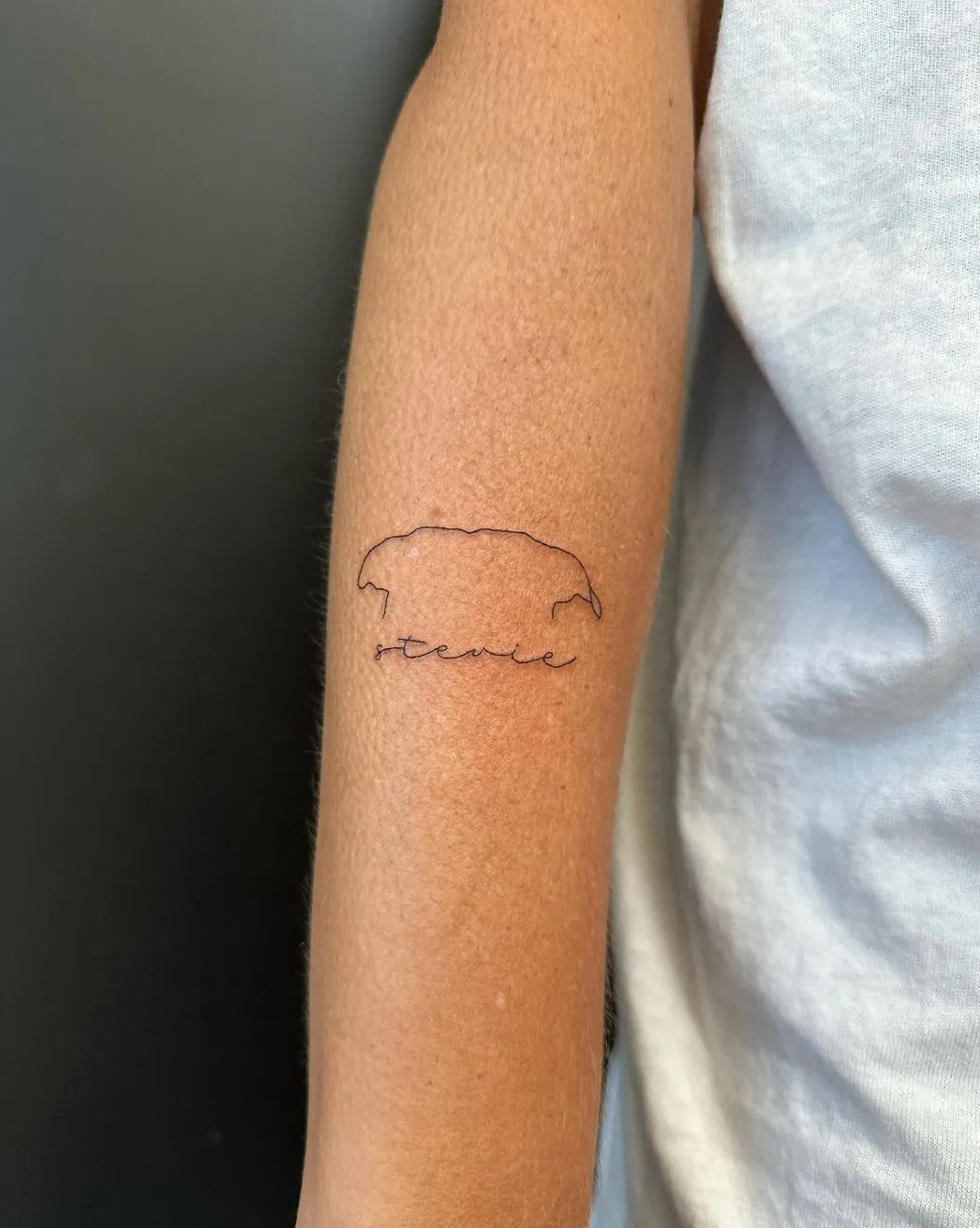
Don’t panic. Many Melbourne-based tattoo studios and academies have models who volunteer in exchange for discounted tattoos. At Cosmetic Tattoo Melbourne Studio Face Figurati, we run regular model call-outs for brows, lips, eyeliner, and fine line tattooing. These clients sign specific consent forms acknowledging that the work is performed by a supervised student.
In these cases:
- The model is booked and confirmed ahead of time
- You’ll still get valuable hands-on experience
- Your educator will guide you through each step
It’s not a free-for-all. Everything is structured, safe, and supervised according to hygiene practices and infection control standards.
Timeline & Prep Tips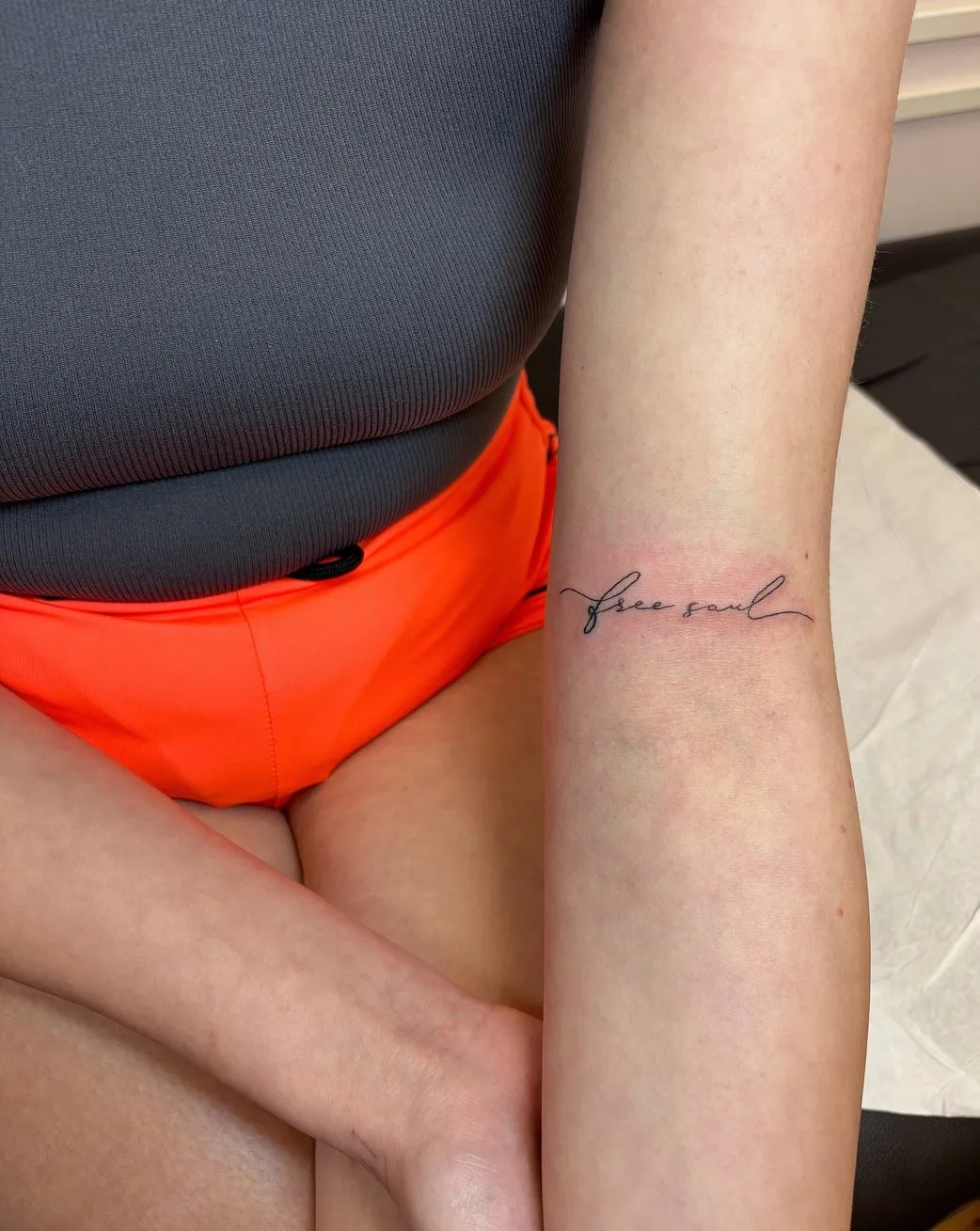
If you do bring a model to your fine line tattoo course, here’s what your day might look like:
Model Day Timeline:
- 10:00 AM – Model arrives and fills out consent forms
- 10:30 AM – Skin prep and stencil placement with transfer gel
- 11:00 AM – Begin tattooing with trainer supervision using a professional kit
- 1:00 PM – Tattoo complete, tattoo balm applied, and aftercare provided
- 1:30 PM – Debrief and feedback session
Student Checklist:
- Confirm your model’s suitability in advance
- Ask them to avoid caffeine and alcohol for 24 hours prior
- Bring snacks and water for both of you
- Make sure your model understands healing and aftercare
- Take photos for your portfolio (with consent). It’s a long day, but one of the most valuable in your in-person training.
Safety, Hygiene & Consent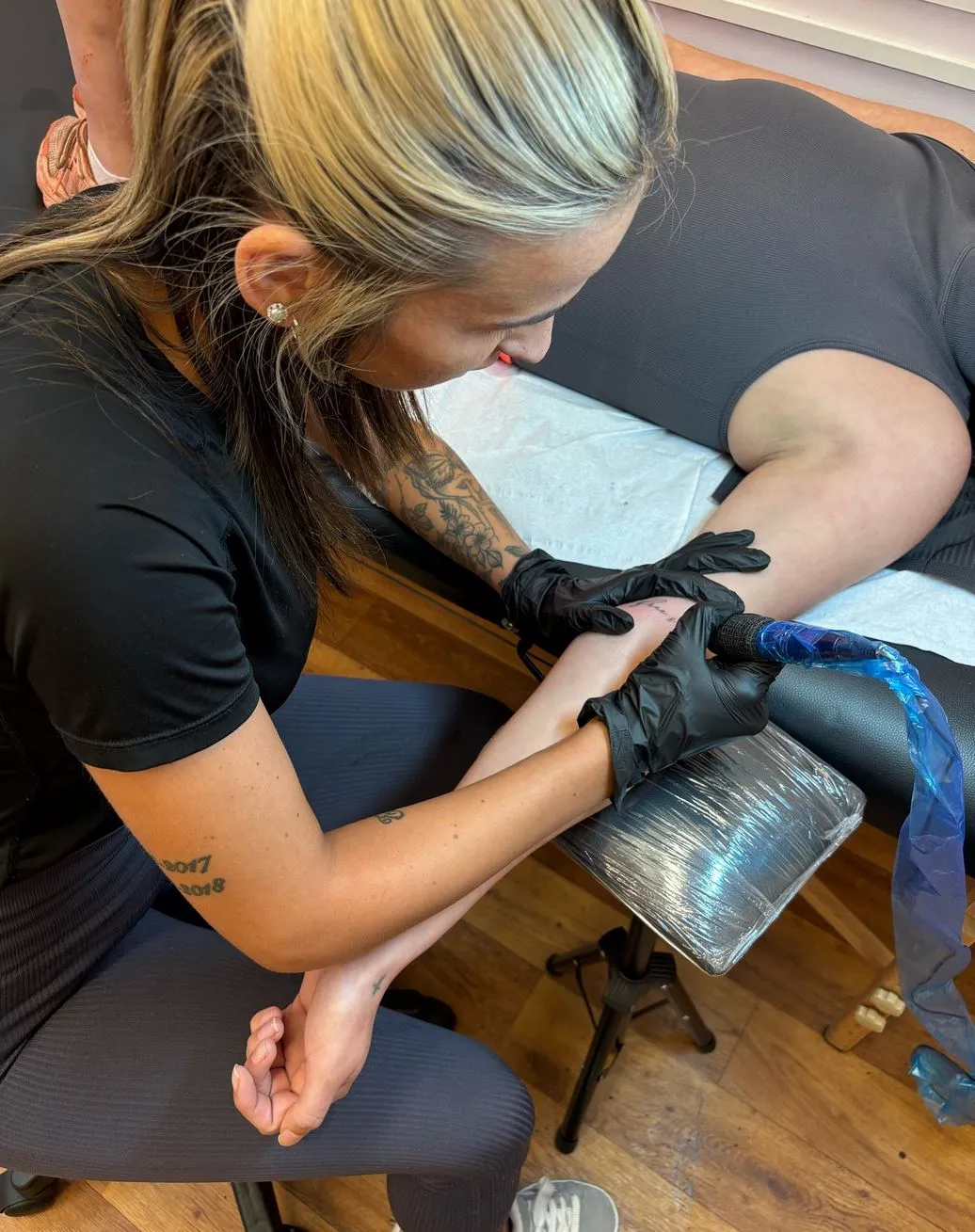
As a trainer, I’m strict about hygiene protocols and consent. And I believe any reputable tattoo course should be too. All models should sign detailed consent forms outlining:
- The procedure
- Who will be performing it (you!)
- Risks, contraindications, and healing expectations
- It’s a student training session
Infection control, PPE usage, sharps disposal, pigment cups and pigment holder hygiene — you’re not winging it. At Cosmetic Tattoo Melbourne Studio Face Figurati, we follow all Victorian tattoo licensing standards to the letter. You should expect the same from any tattoo studio or course you enrol in.
Should You Practice on Friends?
Short answer: No. Don’t DIY tattoo anyone until you’ve been properly trained. Practising on a friend at home might seem like a good idea but can lead to injury, infection or legal trouble if you’re not licensed. Start with practice skins. Graduate to live skin under professional supervision. It’s worth it.
Melbourne Skin & Seasonal Considerations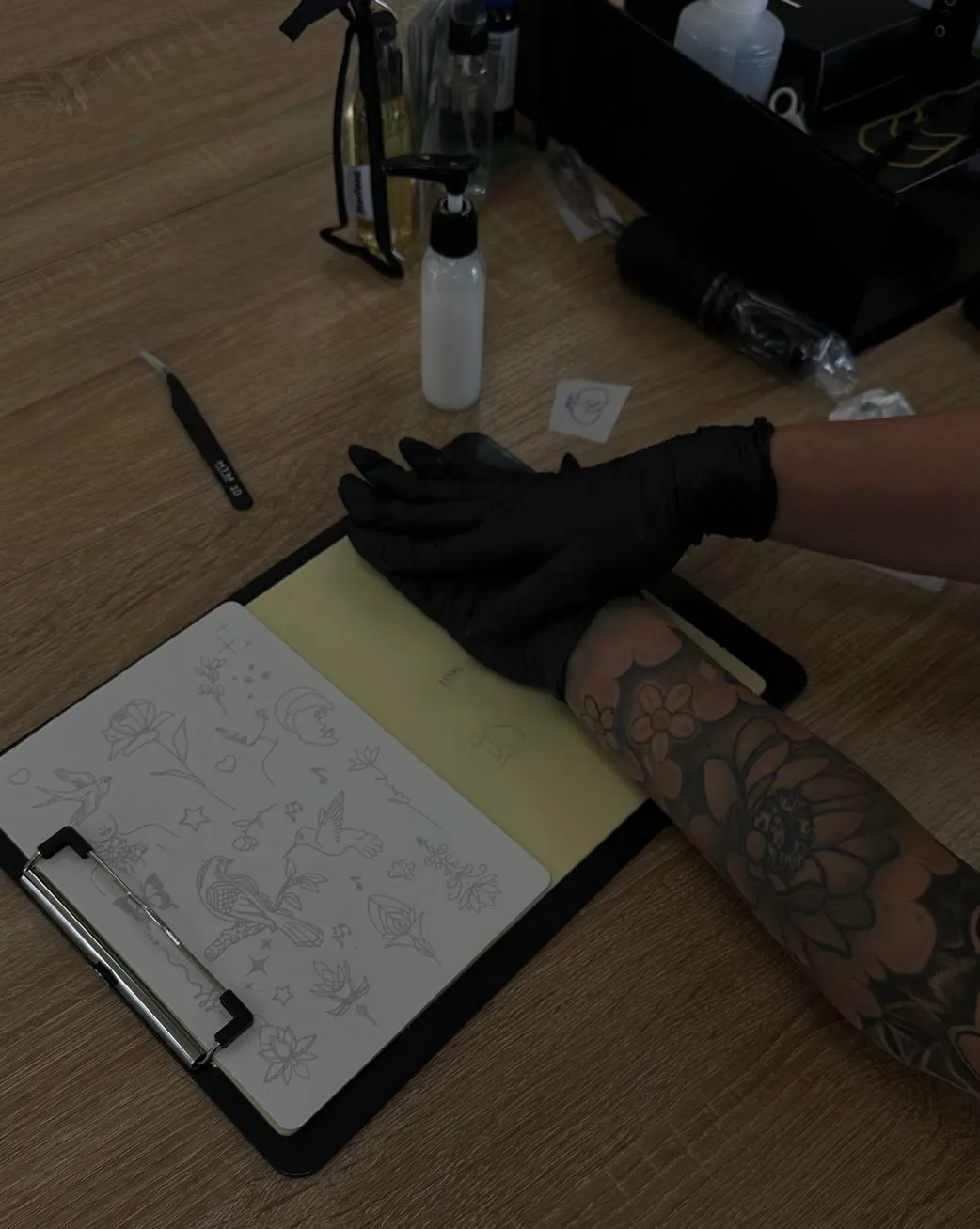
One thing students often forget? Our weather matters. In Melbourne, skin can be dry and flaky in winter, then oily and reactive in summer. Fine line tattoos rely on delicate needlework and precise pressure — so your model’s skin condition can affect the result.
Quick tip: If you’re training in July, ask your model to start moisturising a week before. If it’s peak summer, ask them to skip exfoliants or active skincare that can cause inflammation.
What You’ll Learn Beyond the Needle
A fine line tattoo course is more than just handling a tattoo machine. You’ll also get hands-on guidance with:
- Client consultation techniques and comfort prep
- Machine techniques and needle selection
- Pigment flow and single-needle tattooing
- Tattoo design planning and line work techniques
- Tattoo machine setup, pigment holder use and hygiene protocols
- How to use your tattoo balm correctly
- Navigating the beauty business and building your brand
You’ll also get a solid training manual and access to a supportive learning community whether you choose in-person training or an online course.
Final Thoughts from Olha Po
So, do you need to bring your model for a fine line tattoo course? It depends. But either way, live model practice is non-negotiable if you want to do beautiful, safe work in this industry. Bring someone you trust if you can. But if you can’t, make sure your trainer can provide one.
At Cosmetic Tattoo Melbourne Studio Face Figurati, we’ll guide you through every step — from practice skins to your first live model, and beyond. Because real confidence comes from real skin.
FAQ
Can I bring more than one model to my training session?
Depends on the course structure and time allocation. At Face Figurati we allow one model per student per day for focused learning.
What if my model cancels last minute?
Let us know as soon as possible. We can often allocate a backup model from our waitlist but it’s not guaranteed.
Do I need insurance to tattoo during training?
No — you’re covered under our studio’s insurance while working under supervision.
Can my model choose their design?
Yes, within reason. The tattoo design must be trainer approved and suitable for student level execution.
Do I get photos of my work for my portfolio?
Yes! We encourage students to take before and after photos (with model consent) to showcase their work.