
If you’ve ever googled “How long is a full cosmetic tattoo training course?” while scrolling through healed brow photos at 2 am, you’re in the right place. We’re Uliana Kasperska and Anastasia Petkov, certified and licensed cosmetic tattoo artists at Cosmetic Tattoo Studio Brisbane Face Figurati, and we’ve spent over 15 years in the beauty industry watching students flourish—and sometimes flounder—based on the cosmetic tattoo courses they chose. In this post, we’ll walk you through how long it really takes to become confident, compliant, and career-ready in cosmetic tattooing—plus the timelines, modules, hidden gaps and cheeky myths no one tells you about.
What to Expect From Your First Course
Let’s get something out of the way: a full cosmetic tattoo course isn’t a quick weekend affair if you want real results. While some RTOs (registered training organisations) advertise 3-day bootcamps, a truly comprehensive course will take 5 to 10 days minimum of in-person training—and that’s just the start.
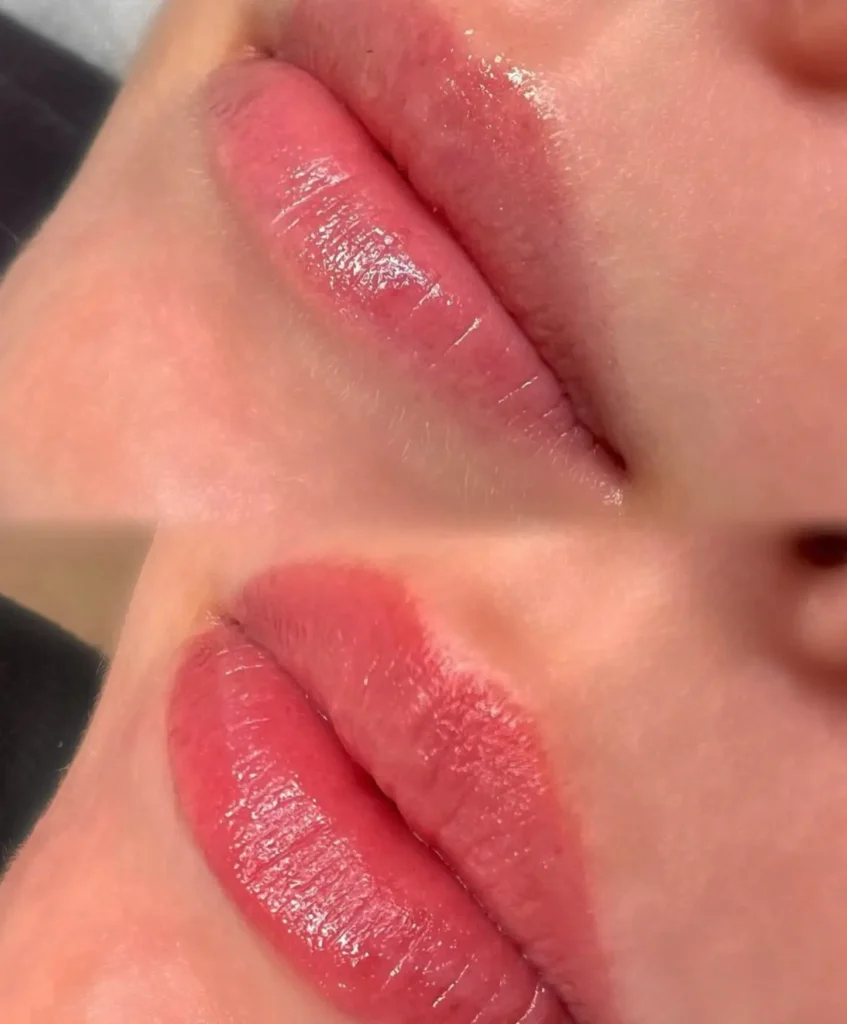
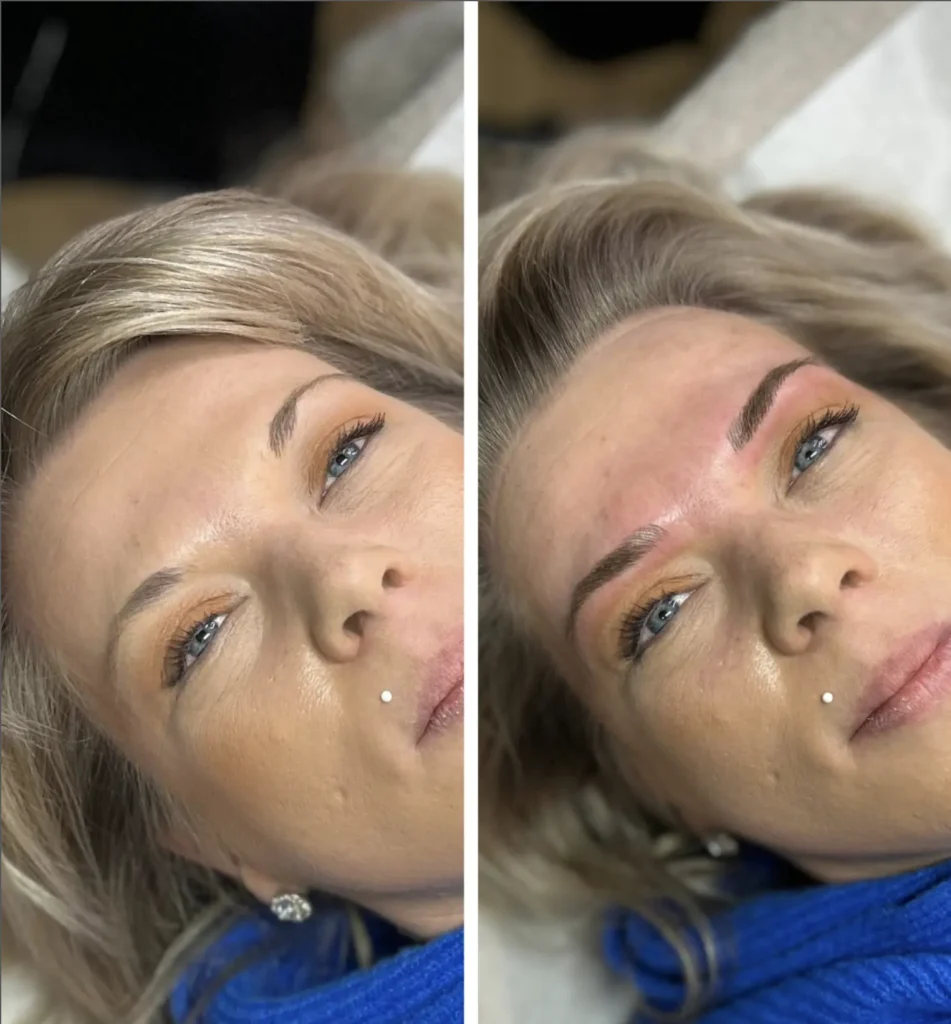
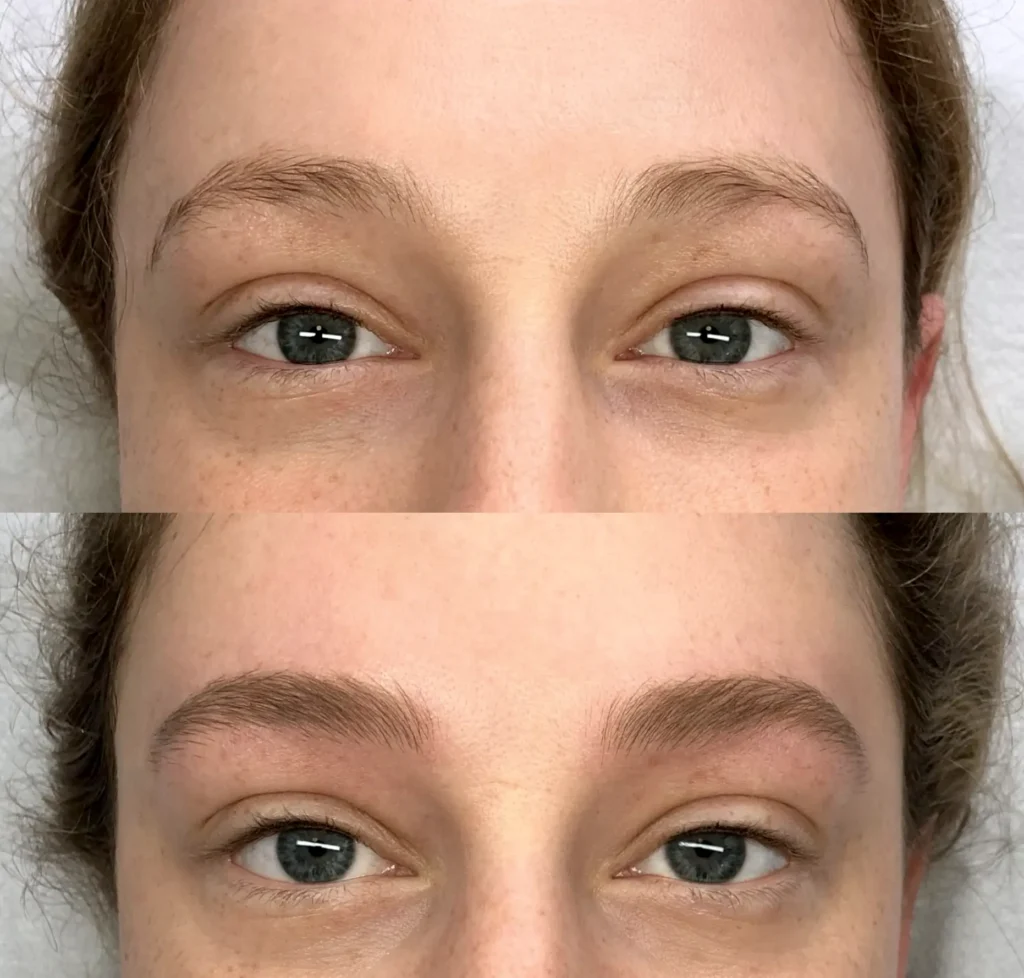
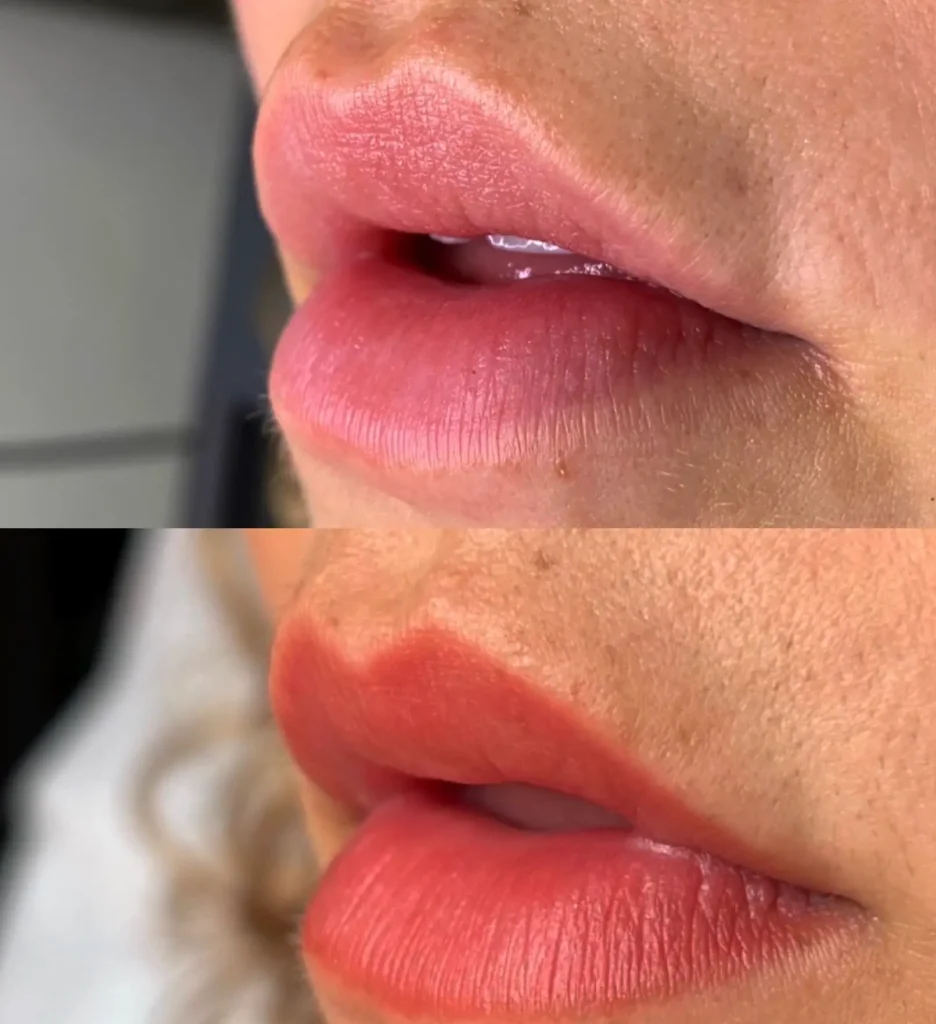
You’ll cover core theory like pigment theory, skin penetration, infection control, health and safety regulations and contraindications. Then it’s onto the good stuff: eyebrow design, lip blushing techniques, brow mapping, numbing agents and needle selection for different procedures. You’ll practice brow tattoos, eyeliner cosmetic tattooing and lip blush on synthetic skins before working with real models.
The Standard Training Timeline in Australia
| Module | Duration | Format |
|---|---|---|
| Theory & Fundamentals | 2–3 days | In-class or via online portal |
| Practical Skills (on fake skin) | 2 days | In-class |
| Live Model Work | 1–2 days | In-class |
| Assessment + Certification | 1 day | In-class |
| Additional Shadowing | Optional/Varies | In-clinic |
On top of that many good providers recommend 4–6 weeks of case studies and client consultations before you tattoo paying clients. Expect the full journey from enrolment to confidence to take 2 to 4 months—especially if you’re juggling work, family or building a cosmetic tattoo business on the side.
Don’t Fall for the ‘One-and-Done’ Marketing
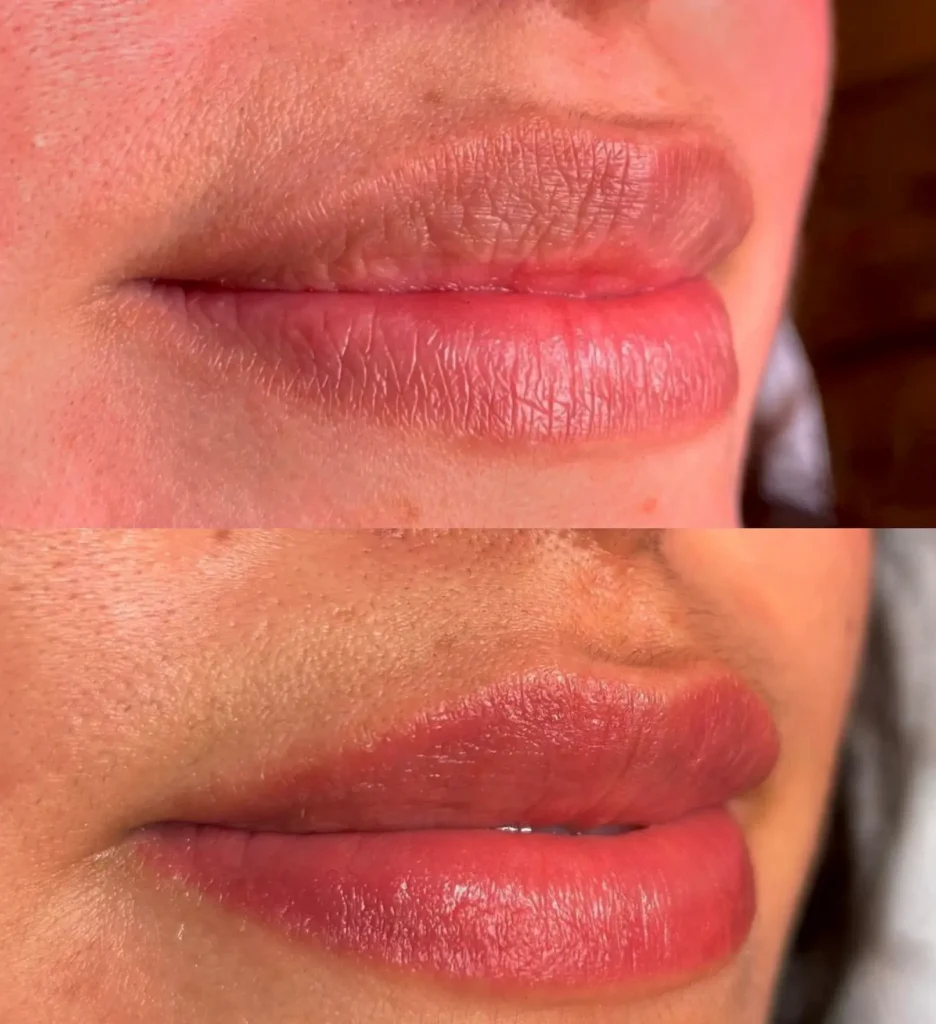
We’ve seen a lot in this industry and trust us: some of the worst correction jobs we’ve had to fix came from artists who took a single short course and jumped straight into tattooing.
No matter how talented you are cosmetic tattooing requires layers of skill: skin-depth control, brows pigments, colour selection for different skin types, and understanding how pigment heals in oily or mature skin. That doesn’t happen in a few hours.
Choosing Between Short vs Long Format Courses
It’s not just about hours; it’s about what those hours do.
Shorter courses might promise speed but longer-format programs often include:
- More live models (sometimes 3–5 on a model’s list)
- Supervised salon or cosmetic centre time
- Client consultation role-plays
- Licensing, hygiene and infection control guidance
- Business support like insurance, branding and social media tips
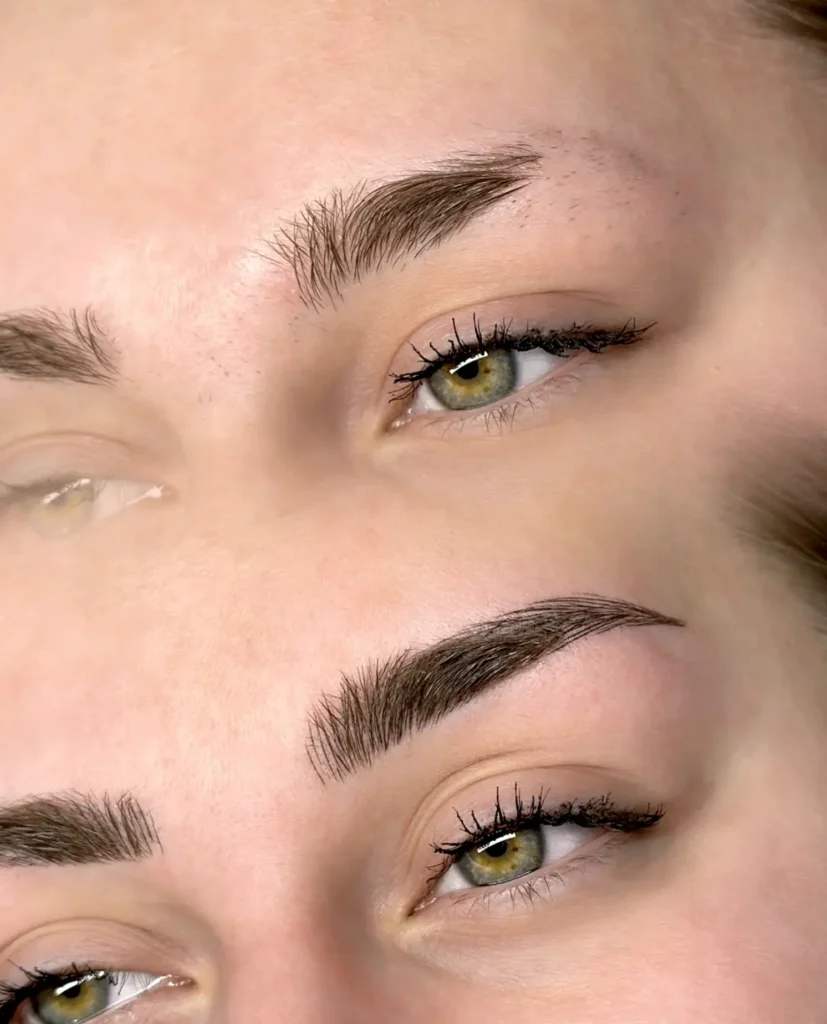
Longer programs also explore advanced cosmetic tattoo treatments like eyeliner pigments, microfeathering eyebrows and lip tattooing techniques—so you’re set up for versatility.
How We Train Artists in Our Studio
Realistic timelines. Real clients. Real feedback.
At Cosmetic Tattoo Studio Brisbane Face Figurati we structure our cosmetic tattoo training programs to reflect actual industry standards. Our course schedule runs over multiple weeks and includes:
- In-depth theory modules (delivered in-studio and through our online portal)
- Hands-on training with a permanent makeup kit
- A guided model list across brows, lips and eyeliner
- Dedicated sessions on client reviews and follow-up care
What About Licensing and Insurance?
Training is just one part of the puzzle.
Once you’ve completed your cosmetic tattoo training, there’s still a bit to go before you’re officially a cosmetic tattoo technician:
- Apply for your Queensland skin penetration licence (or your state’s equivalent)
- Get public liability and treatment risk insurance
- Work in a council-approved, health-certified location
- Renew your infection control certificate regularly
Plus, build out your service menu, stock your pigment drawers, and invest in a Tattoo Machine and needle cartridges for the procedures you offer. All part of becoming a well-prepared cosmetic tattoo artist.
2025 Trend Insight
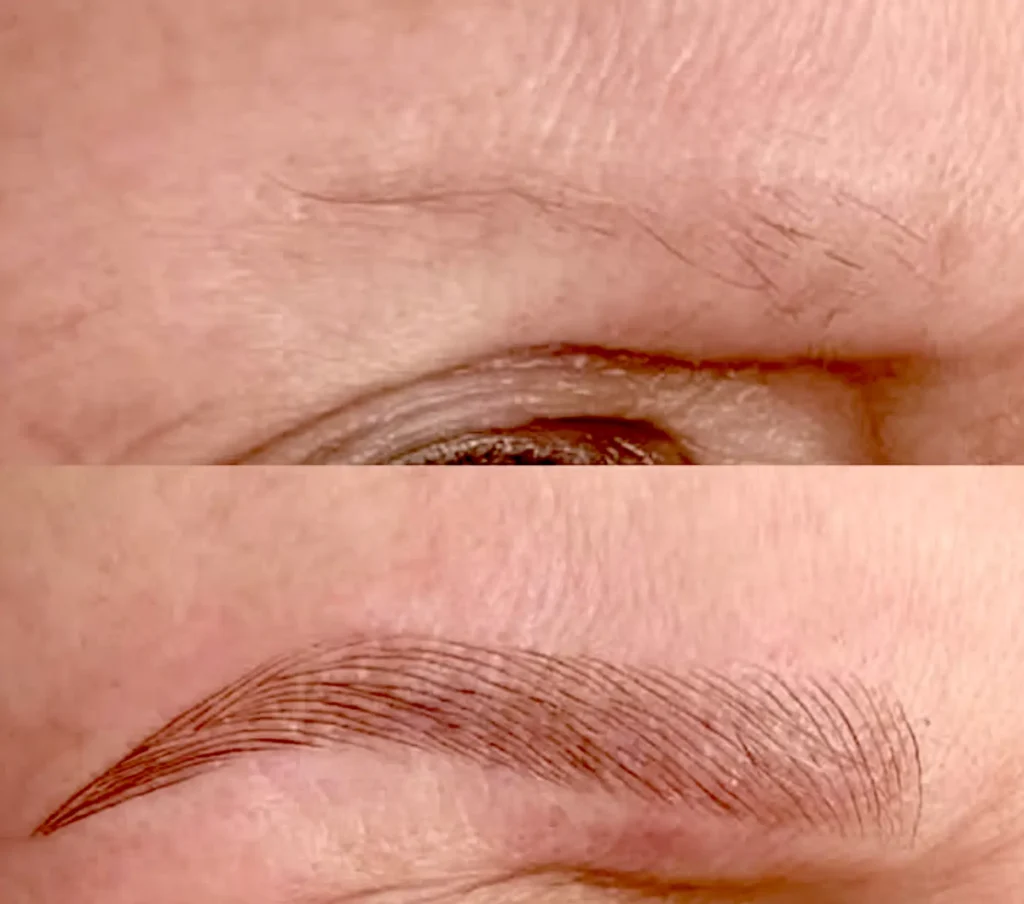
The rushed route shows in the results.
According to a 2025 Australian Beauty Skills Council report, 68% of clients now ask about qualifications during their consultation—a big jump from just 43% in 2022. And they’re not just asking about where you trained—they’re checking healed work, hygiene habits and what pigment lines you use.
Final Thought
Your future clients will thank you.
If you’re serious about cosmetic tattooing as a career, do it properly. Ask your educator what skin types are covered. Ask if they teach Eyeliner cosmetic tattooing and lip blush. Ask how they help you build your business and manage your socials.
The right course won’t just teach you technique. It’ll help you become a cosmetic tattoo technician clients trust—for brows, lips and beyond.
Still unsure what kind of training is right for you? Hit us a message or book a chat—we’re always happy to talk timelines, pigment lines and payment plan options.
FAQ
How long does it take to become a certified cosmetic tattoo artist in Australia?
Most students take 2-4 months to complete their full training, model practice and licensing. Some like to extend this to fit around work or family.
Is there a payment plan for cosmetic tattoo courses?
Yes, most good course providers offer flexible payment options so you can invest in training without stress.
Do I need to have experience in beauty before enrolling?
Not necessarily. We’ve trained everyone from total beginners to working beauty therapists. What matters is your commitment to safe, high-quality work.
What’s the difference between short courses and full cosmetic tattoo courses?
Short courses often skip important topics like pigment retention, brow mapping or eyeliner pigments. Full courses cover all skills and have supervised model work.
Will I learn all treatments like brows, lips and eyeliner in one course?
Many foundation courses focus on one area, like brow tattoos or lip blush, with options to add modules like eyeliner cosmetic tattooing later. Check the course schedule.